
Smartphone vs. Dedicated Camera
The Ultimate Showdown: Which Tool Belongs in Your Hands?
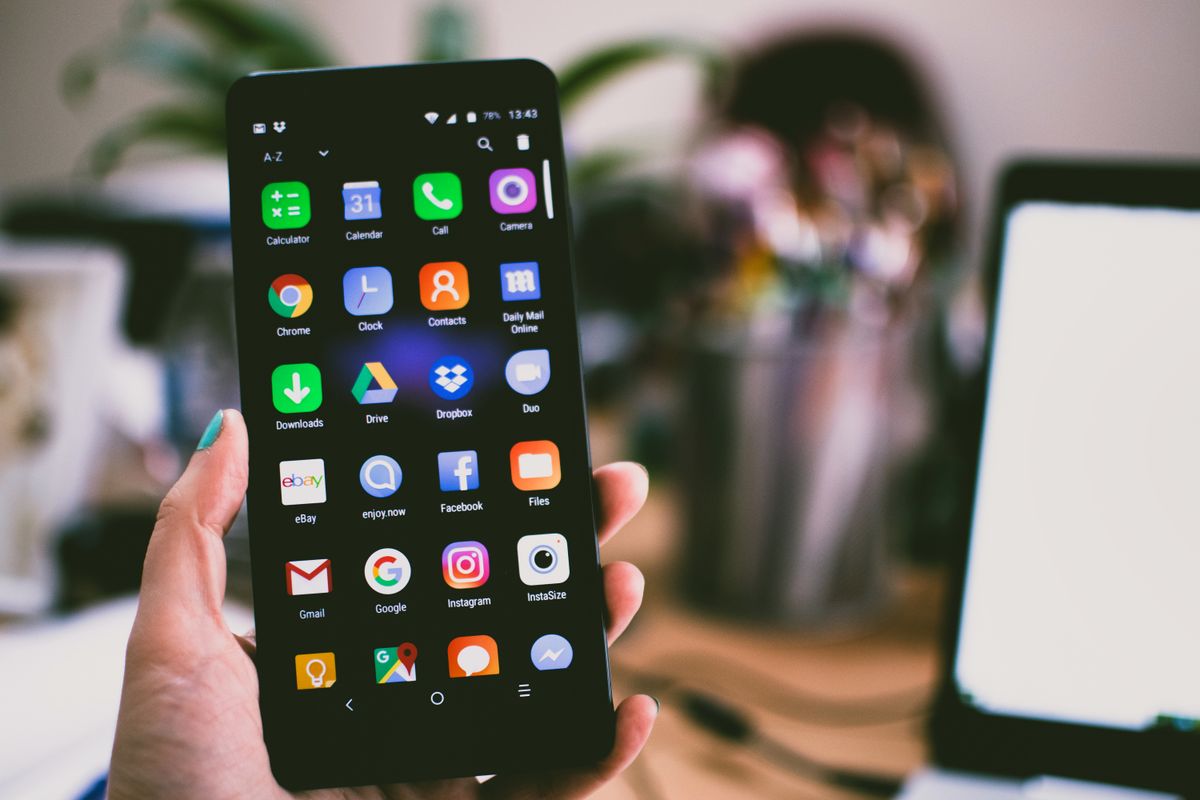
The best camera is the one you have with you—but when is a smartphone simply not enough?
In the modern era, smartphones have revolutionized photography. With advanced AI processing and multiple lenses, they are capable of capturing stunning images. This leads many beginners to ask: “Do I really need to buy a dedicated camera?”
The answer depends entirely on your creative ambitions. While smartphones excel at convenience and computational magic, dedicated cameras remain the undefeated champions of optical physics, control, and image quality. Let us break down the exact differences in performance and build quality.
1. Performance: Physics vs. Algorithms
Sensors: The Heart of the Image
In photography, light is everything. The physical size of the sensor dictates how much light the camera can gather. A typical smartphone sensor is about the size of your pinky nail. In contrast, an APS-C or Full-Frame sensor in a dedicated camera is massively larger.
- Dynamic Range: Large sensors can capture details in bright skies and dark shadows simultaneously without turning the image to muddy noise.
- Low Light: A dedicated camera inherently gathers more light, allowing for clean, sharp night photography without relying on blurry, multi-frame software stitching.
Lenses and Authentic Depth of Field
Smartphones use computational algorithms (like “Portrait Mode”) to fake background blur by cutting out the subject and artificially blurring the background. While getting better, it often struggles with hair, glasses, and complex edges.
A dedicated camera relies on actual optical physics. By using interchangeable glass lenses with wide apertures, the camera naturally separates the subject from the background, creating creamy, authentic “Bokeh” that software cannot truly replicate.
2. Build Quality and Ergonomics
How a device feels in your hands completely changes how you interact with your environment.
- Smartphones: Designed to be thin, flat, and sleek. They are notoriously slippery and entirely reliant on touchscreens. Adjusting settings requires tapping through menus, which takes your eyes away from the subject.
- Dedicated Cameras: Built specifically for shooting. They feature deep, comfortable grips, weather-sealed magnesium alloy bodies, and tactile physical dials. You can adjust your Shutter Speed, Aperture, and ISO instantly using physical buttons without ever taking your eye off the viewfinder.
3. Head-to-Head Comparison
| Feature | Smartphone | Dedicated Camera (Mirrorless/DSLR) |
|---|---|---|
| Image Processing | Heavy AI processing (Instant HDR, sharpened). Ready to post. | RAW files retain maximum data for professional manual color grading. |
| Background Blur | Fake/Computational (struggles with fine edges). | Authentic Optical Depth of Field (flawless subject separation). |
| Ergonomics | Flat, slippery, touchscreen dependent. | Tactile dials, firm grips, electronic viewfinders. |
| Lenses | Fixed (Wide, Ultra-Wide, Digital Zoom). | Interchangeable (Prime lenses, massive telephoto reach). |
| Portability | Fits in your pocket. Always with you. | Requires a strap or camera bag. |
The Photography Academy Recommendation
If your goal is to simply document memories and post quick updates to social media, your modern smartphone is more than enough.
However, if you want to genuinely learn the art of visual storytelling, master the exposure triangle, and achieve a cinematic aesthetic, a dedicated camera is mandatory.
Where should a beginner start? You do not need to spend $3,000 on a heavy Full-Frame system immediately. We highly recommend starting with a powerful APS-C mirrorless body. For instance, pairing a camera like the Sony a6300 with a fast prime lens—such as the 50mm f/1.8 FE—creates an incredibly capable, lightweight setup. This combination will instantly give you professional sharpness, phenomenal low-light performance, and that authentic, beautiful background blur that smartphones can only dream of imitating.