
The Art of Composition
How to Frame, Balance, and Capture Professional Photographs

Anyone can buy a high-end camera, but the way you frame the world is what makes you an artist.
Understanding camera settings like Aperture, Shutter Speed, and ISO is essential for getting a technically correct exposure. However, technical perfection does not guarantee a visually striking image.
Composition is the visual language of photography. It is how you arrange elements within your frame to guide the viewer’s eye, tell a story, and create a sense of harmony. In this masterclass, we will break down the most critical rules of composition that every professional uses.
1. Alignment & The Rule of Thirds
The most fundamental rule in photography. Instead of placing your subject dead center, imagine your frame is divided into a tic-tac-toe grid (nine equal squares).
- Intersections: Place the most important elements (like a person’s eye) on the points where the lines intersect.
- Horizon Lines: Never put the horizon in the exact middle. Place it on the top line to emphasize the foreground, or the bottom line to emphasize a dramatic sky.
Why it works: Off-center composition creates visual tension and makes the image feel more dynamic and natural.

2. Visual Balance
Balance ensures that no single part of your image overpowers the rest, keeping the viewer’s eye engaged within the frame rather than wandering off the edge.
- Symmetrical Balance: Perfect for architecture and reflections. Both sides of the image are identical, creating a powerful sense of order and grandiosity.
- Asymmetrical Balance: If you place a large subject on the left side (using the rule of thirds), balance it with a smaller, less prominent object on the right side in the background.
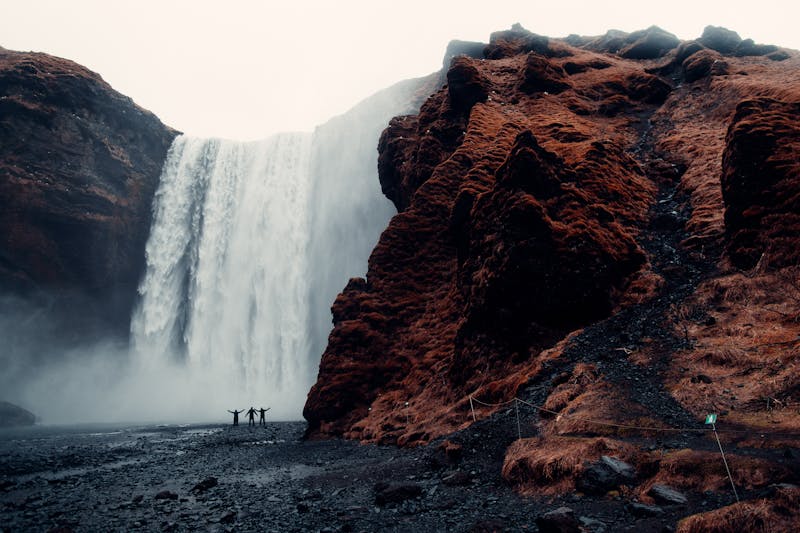
3. Contrast & Leading Lines
The human eye is inherently lazy; it needs to be told where to look. You can guide it using Contrast and Lines.
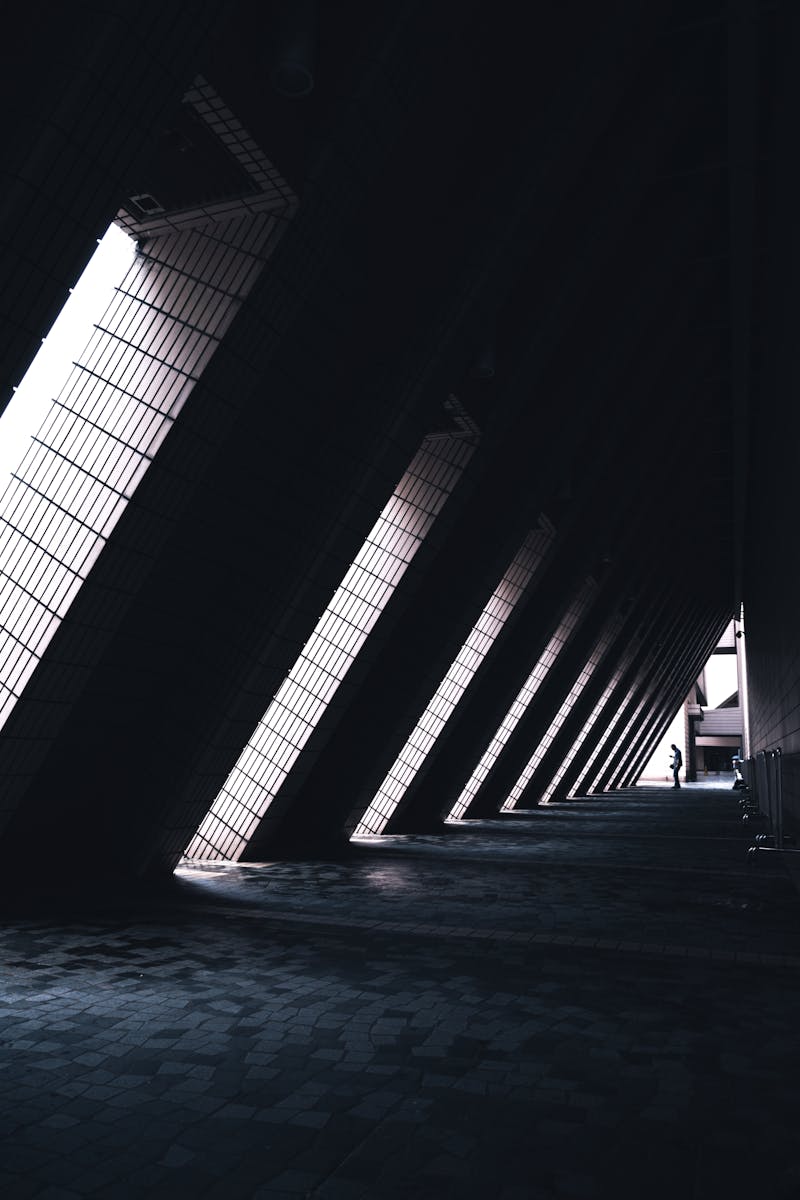
- Leading Lines: Use roads, fences, rivers, or architectural lines that start from the bottom corners and point directly toward your main subject.
- Tonal Contrast: The eye naturally gravitates toward the brightest part of an image. Ensure your subject is slightly brighter than the background.
- Color Contrast: Use complementary colors (like a subject wearing a warm orange jacket walking through a cold, blue forest).
The Golden Rule of Composition
Learn the rules like a professional, so you can break them like an artist. Once you master the Rule of Thirds, try shooting dead-center to create discomfort or dominance. The best framing is the one that serves the emotional story you are trying to tell.