
Demystifying ISO
The Science of Sensor Amplification and Digital Noise
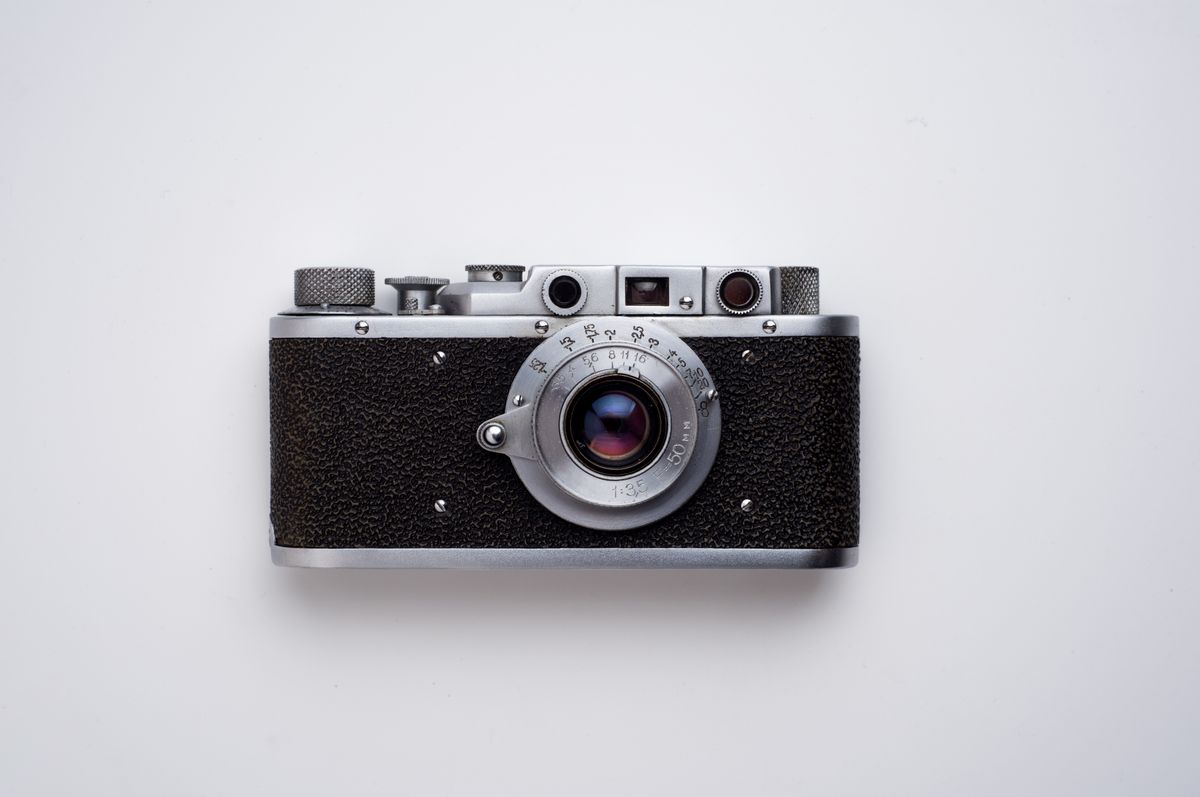
Mastering ISO is about finding the perfect balance between gathering enough light and maintaining image purity.
In the trinity of the Exposure Triangle, ISO is often the most misunderstood. Many beginners believe that increasing ISO makes the camera sensor “more sensitive” to light. In reality, the technical truth is quite different.
ISO is an electronic gain applied to the image signal after the light has hit the sensor. Think of it like turning up the volume on a quiet audio recording; the voices get louder, but the background static (noise) gets louder too.
1. Real-World Scenario: The Low-Light Portrait
Imagine you are shooting a portrait at night. The available street light is beautiful but very dim. If your ISO is too low, the image will be pitch black. If it is too high, the subject’s skin will look grainy and lose natural color.
🌙 The Night Portrait Solution


The Strategy: Instead of immediately cranking the ISO to 6400, rely on your optical hardware. By opening a fast prime lens (like a 50mm) to its maximum aperture of f/1.8, you physically flood the sensor with light. This allows you to keep the ISO at a moderate 800 or 1600, preserving the deep blacks and clean skin tones.
2. Real-World Scenario: Freezing High-Speed Action
ISO isn’t just for shooting in the dark. Sometimes, you need high ISO in broad daylight to freeze incredibly fast motion, such as sports or wildlife.
🏃 The Action Freeze

The Strategy: To capture water droplets or a speeding mountain biker perfectly sharp, you need a shutter speed of 1/2000s or faster. At this speed, the camera’s shutter is open for a fraction of a millisecond. To compensate for this severe lack of light duration, you must increase your ISO, even if the sun is out.
3. Understanding Sensor Capabilities (APS-C vs Full Frame)
The physical size of your camera’s sensor dictates how well it handles high ISO. Full-frame sensors have larger individual pixels, gathering more light and producing less noise.
However, modern APS-C cameras (like the widely respected Sony a6300) are engineered with advanced copper wiring and gapless micro-lenses. This means you can comfortably push the ISO up to 3200 for web delivery or social media without catastrophic quality loss. Beyond ISO 6400, you will notice a significant drop in dynamic range (the ability to recover shadows) and a shift in color accuracy.
🔗 Essential External Resources
To dive deeper into the technical data of your specific camera sensor and how to fix noise in post-production, check out these trusted industry resources:
- DXOMark Sensor Database: Check the official low-light ISO scores and dynamic range of your specific camera model.
- Adobe Lightroom Guide: The official manual on how to use AI Denoise and luminance sliders to rescue high-ISO images in post-processing.
- Photography Life: A deep dive into “ISO Invariance” and why sometimes underexposing at a low ISO is better.